3 Romance Hero Archetypes I Write Again and Again
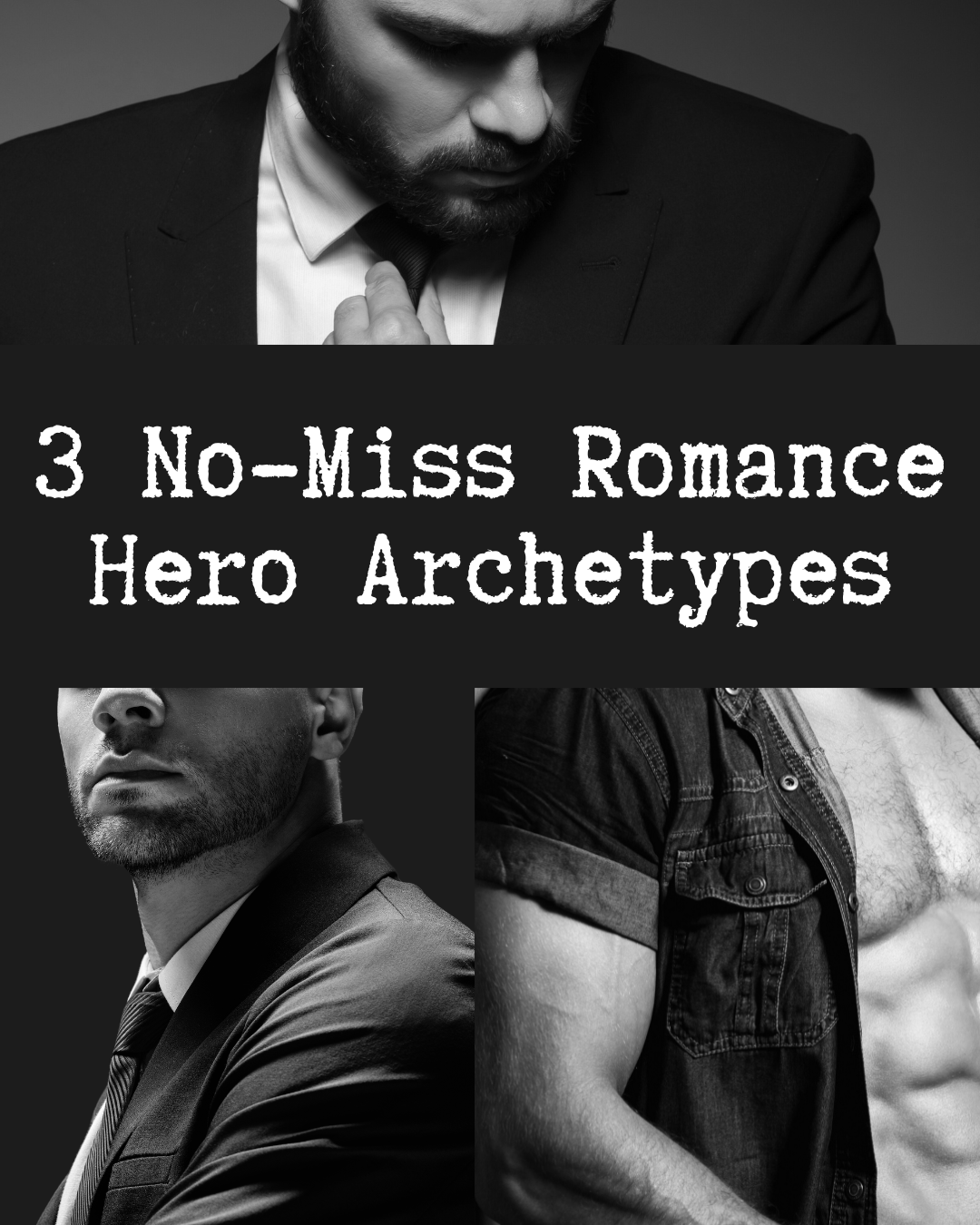
When you’ve written as many romance novels as I have, and for as many years as I have, certain patterns in your heroes begin to emerge.
The archetypes show up again and again, not because of a lack of creativity, but because these character types consistently create emotional tension and satisfying arcs.
Of course, of course, there are more than three. But after writing nearly 50 books, I definitely have a “type.” Most of them fit into one of three character archetypes and even appear in the same order in a series. If you’ve read my books before, these might sound familiar.
Let’s begin at the beginning, shall we?
xo,
Jessica Lemmon

Romance Hero Archetype #1: The Grouch
aka, The Guarded Alpha
Oh how I love a grumpy hero. A tight-lipped, heartless-on-the-outside, walled-up tough guy. I love to put him on the page and watch him infuriate the heroine. And then, after he tries and tries (and ultimately fails), he crumbles to his knees before her. Because as infuriating as she is to him, his heart never stood a chance. He fell in love with her—hook, line, and sinker.
Why this archetype works:
The grouch hero thrives on emotional resistance. His external gruffness masks vulnerability. The tension comes from watching the heroine dismantle his walls piece by piece.
Common wound: humiliation, betrayal, abandonment
Common flaw: emotional withholding
Deepest desire: to be chosen without losing control
If your grumpy hero feels flat, you may need to revisit his internal wound and deepest desire. (Start with this blog.)
Examples from my own novels: The Billionaire Bachelor, His Forbidden Kiss

Romance Hero Archetype #2: The Playboy
aka, The Charming Ne’er Do Well
After starting a series with a grumpy, walled-up hero, some levity is necessary.
The playboy archetype creates tension through charm and avoidance. He is confident, charismatic, and emotionally slippery. Readers love him because the world seems to be his oyster, until he’s knocked off his perch.
Why this archetype works:
He believes he doesn’t need true love to be happy. Watching him confront that lie is where the emotional payoff lives.
Common wound: fear of vulnerability
Common flaw: emotional deflection through humor or seduction
Deepest desire: to be seen for more than his surface appeal
The key to writing a strong playboy hero is ensuring his transformation feels earned, not convenient.
Examples from my own novels: The Billionaire Next Door, Return of the Bad Boy

Romance Hero Archetype #3: The Wounded
aka, The Stoic Protector
The wounded hero carries visible or invisible scars that shape his worldview. He may also be grumpy or charming, but he is always guarded. Life has handed him a shit sandwich, and so that experience has taught that anything good comes at a price. And in romance, there is no higher price than love.
Why this archetype works:
Even if readers can’t directly connect to the hero’s pain, pain is universally human. They relate to feeling alone, sad, or like giving up. When the heroine becomes the safe place he didn’t know he needed, the romance becomes transformative. This gives your heroine a chance to play “hero” in his life—a role reversal that is well-loved.
Common wound: loss, public failure, betrayal
Common flaw: self-sacrifice or emotional shutdown
Deepest desire: safety, redemption, worthiness
Examples from my own novels: The Bastard Billionaire, A Christmas Proposition
How to Use Romance Hero Archetypes in Your Own Writing
Archetypes make for great starting points, but can easily become paper-thin if you don’t work out a deep, real reason for their issues. A beginner mistake writers is leaning hard on flaws within the trope without mining for the emotion.
When developing your romance hero, ask:
What emotional wound shaped him?
What belief is he protecting?
What desire is he refusing to admit?
Internal conflict is your best friend in romance—a topic I go into depth on inside my course for writers. If you’d like the kind of support that makes book writing easy, check it out here.👇
Building layered romance heroes like these—without relying on clichés—is easy when you have support.
Join us inside The Lemmon Society’s FAM tier, where we break down hero psychology, emotional arcs, and dark moments of the soul.